Loose dentures can make everyday moments feel uncertain. Eating, speaking, and even smiling may require constant adjustment, which can affect both comfort and confidence. Many people start looking for a solution that feels more stable but still practical to maintain.
At California Coast Dental Arts, patients exploring overdentures in Oceanside, CA often want to understand how these dentures actually stay in place. Knowing how overdentures attach to dental implants can help you decide if this option fits your needs and expectations.
How do overdentures attach to dental implants?
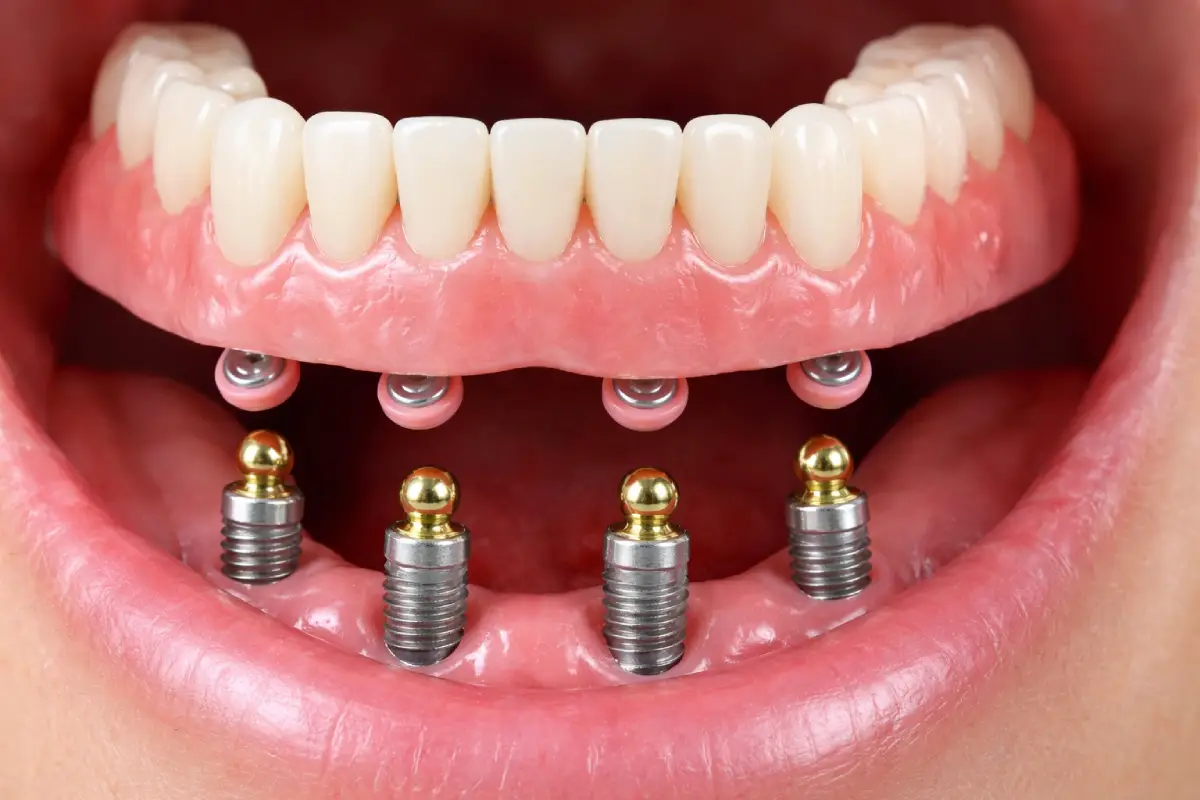
Overdentures attach to dental implants using connectors such as snaps, bars, or locator attachments, allowing the denture to fit securely while remaining removable.
Understanding How Overdentures Attach to Dental Implants
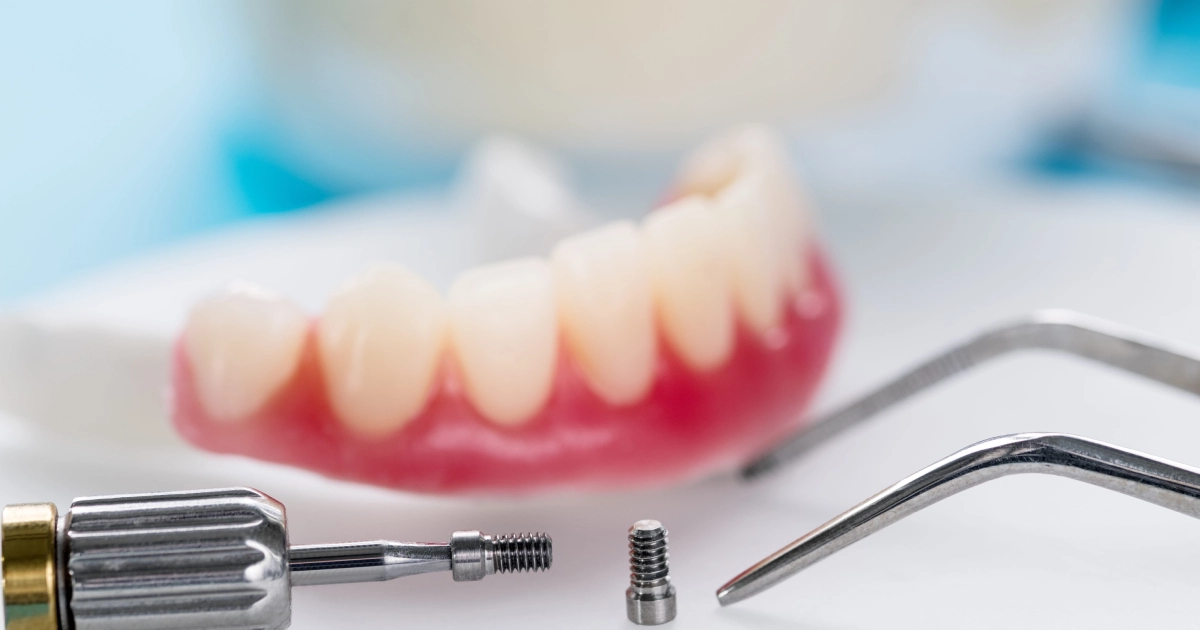
Overdentures are removable dental prosthetics designed to sit securely over dental implants or, in some cases, remaining natural tooth roots. Unlike traditional dentures that rely mainly on suction or adhesives, overdentures use a supportive structure beneath them for added stability. Dental implants act as anchors placed into the jawbone. Once healed, they serve as a strong foundation for attaching overdentures. This connection reduces movement, improves comfort, and helps distribute pressure more evenly when chewing.
The key difference lies in how the denture connects to the implants. Instead of resting directly on the gums, overdentures are secured using specialized attachment systems. These systems allow the denture to “snap” into place while remaining removable for cleaning and maintenance.
How Overdentures Work with Implant Attachments
The process of attaching overdentures to implants involves carefully designed components that connect the denture to the implant posts. After implants are placed and fully integrated with the jawbone, connectors are added to allow the denture to attach securely.
There are several common attachment types used in overdentures:
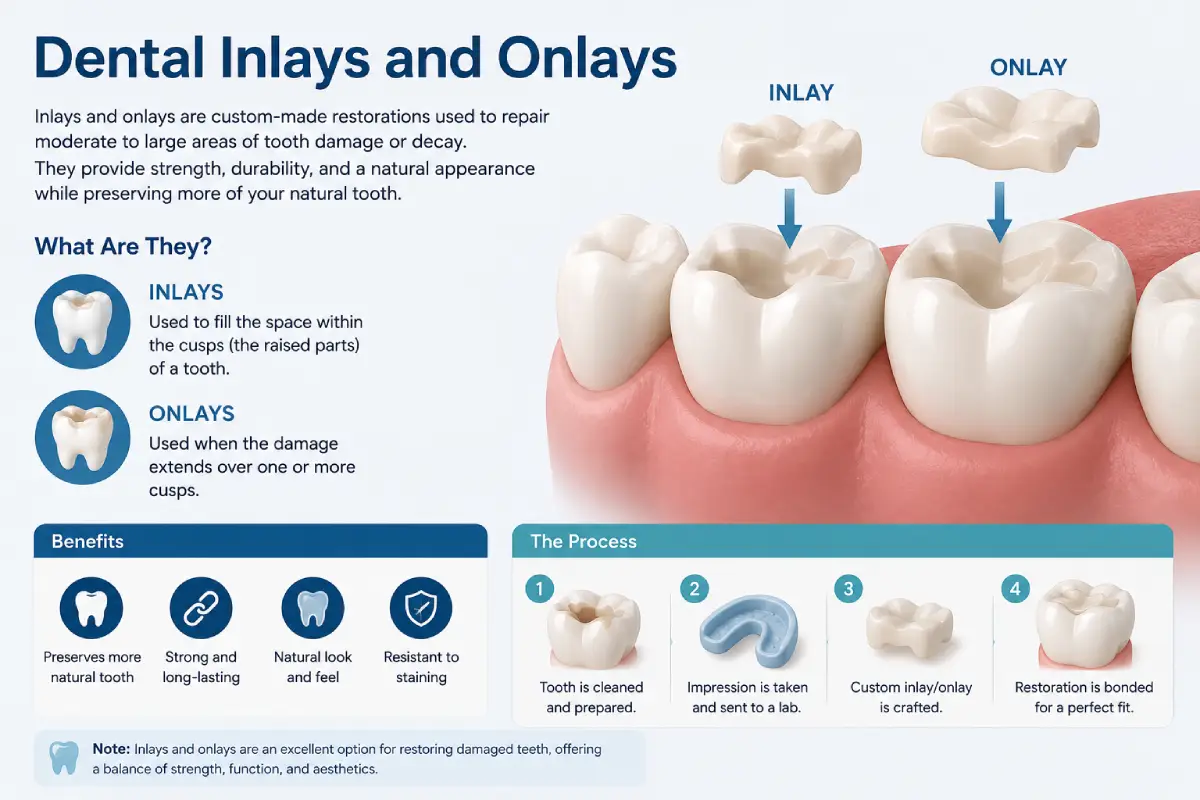
Locator attachments use small connectors that allow the denture to snap into place. This is one of the most commonly used systems due to its balance of stability and ease of removal. Bar attachments involve a thin metal bar that connects multiple implants. The overdenture then clips onto the bar, providing additional support and even distribution of pressure.
Ball attachments use a rounded connector on the implant that fits into a socket within the denture. This creates a secure yet flexible fit. Each system is selected based on the patient’s anatomy, number of implants, and comfort preferences. At California Coast Dental Arts, the approach is personalized to ensure the overdenture feels stable while remaining easy to remove when needed.
Why Implant-Supported Overdentures Offer Better Stability
One of the main reasons people consider overdentures is the improvement in stability compared to traditional dentures. Because the denture is anchored to implants, it is less likely to shift during eating or speaking. This added stability helps improve chewing efficiency. Foods that may have been difficult with traditional dentures often become easier to manage. Speech clarity can also improve since the denture stays in place more consistently.
Another important factor is how pressure is distributed. Traditional dentures place most of the pressure on the gums, which can lead to discomfort over time. Overdentures transfer some of that pressure to the implants, reducing strain on the gum tissue. Over time, this can also support jawbone health. Dental implants stimulate the bone in a way similar to natural tooth roots, helping reduce bone loss that often occurs after tooth loss.
Key Considerations Before Choosing Overdentures
While overdentures offer several advantages, there are a few important factors to consider before moving forward with treatment. Understanding these can help you make a more informed decision. The first consideration is bone health. Dental implants require sufficient bone density for proper placement and support. In some cases, additional procedures may be recommended to prepare the jaw for implants.
Another factor is maintenance. Although overdentures are removable, they still require daily cleaning and proper care. Regular dental visits are also important to ensure that the attachments remain in good condition and the fit stays comfortable. Patients should also understand that attachment components may need occasional replacement over time. This is a normal part of maintaining overdentures and helps ensure continued stability.
Why Overdentures Are a Practical Upgrade for Denture Wearers
Choosing overdentures is often about improving everyday comfort and function. For individuals who have struggled with traditional dentures, the difference can feel noticeable in daily life. From a practical perspective, overdentures can reduce the need for adhesives and frequent adjustments. The secure fit allows for more predictable performance throughout the day, which can make routines feel less stressful.
There is also a confidence factor. Knowing that your denture is securely attached can make social interactions feel more natural. Speaking, smiling, and eating in public settings may feel more comfortable without the concern of movement. Overdentures also support long-term oral health. By helping maintain bone structure and reducing pressure on the gums, they contribute to a more stable foundation for the future.
Who Is a Good Candidate for Overdentures?
Overdentures are often recommended for individuals who have lost most or all of their teeth and are looking for a more stable alternative to traditional dentures. They are especially beneficial for those who experience slipping, discomfort, or difficulty chewing with standard dentures. Candidates typically include adults who have enough jawbone to support dental implants or are willing to explore options to improve bone support. People who want a removable solution with added stability often find overdentures a suitable option.
They are also ideal for individuals who value a balance between function and convenience. Unlike fixed implant dentures, overdentures can be removed for cleaning, which makes them easier to maintain for many patients. At California Coast Dental Arts, treatment plans are tailored to each individual, ensuring that overdentures align with both functional needs and lifestyle preferences.
Take the Next Step Toward a More Secure Smile
Understanding how overdentures attach to dental implants can make a meaningful difference when choosing the right dental solution. With secure attachment systems, improved stability, and support for long-term oral health, overdentures offer a practical option for those seeking more comfort and confidence.If you are considering overdentures in Oceanside, CA, California Coast Dental Arts provides personalized care to help you explore your options. You can take the next step by reaching out to learn more or schedule a consultation through this link: Contact us and Book Service Now!