Skip to content
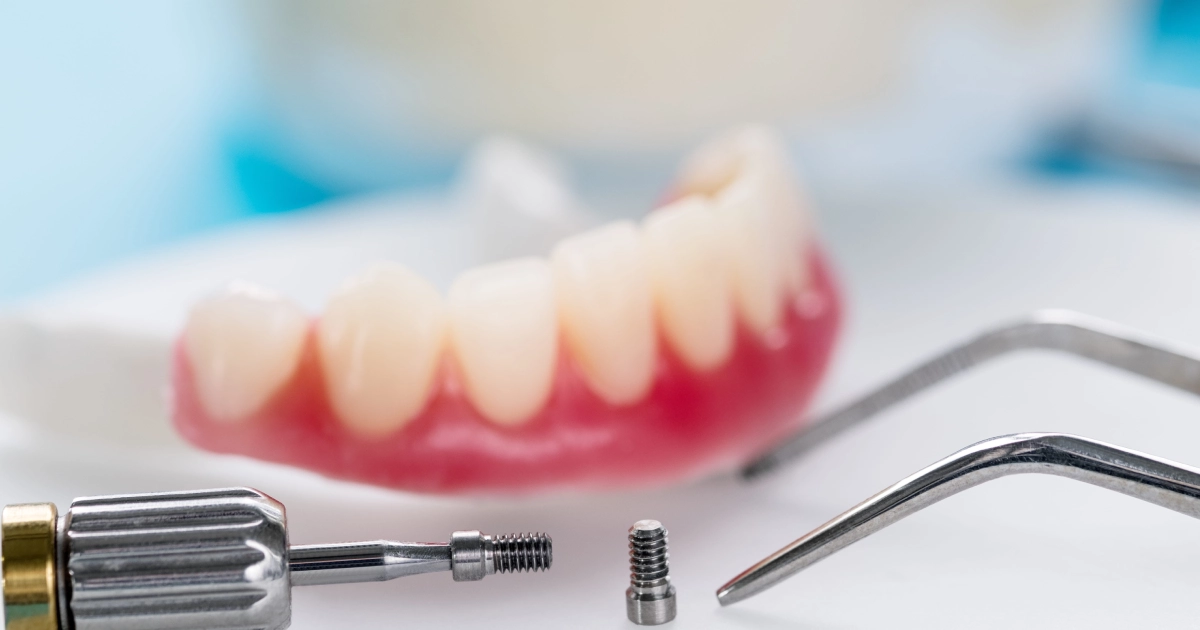
Table of Contents
Living with missing teeth or loose dentures can quietly affect everyday life, from enjoying meals to speaking with confidence. Many people feel stuck between wanting a secure, lasting solution and worrying about discomfort, invasiveness, or maintenance. That’s where implant-supported overdentures often enter the conversation.
At California Coast Dental Arts, patients exploring overdentures in Oceanside, CA, frequently ask not just what overdentures are, but why they work so well. Understanding the science behind implant-supported overdentures can help clarify whether this approach fits your comfort level, lifestyle, and long-term oral health goals.
Understanding the Science Behind Implant-Supported Overdentures
Implant-supported overdentures are removable dentures that attach securely to dental implants or, in some cases, to healthy remaining tooth roots. Unlike traditional removable dentures that rest directly on the gums, overdentures rely on a stable foundation beneath the surface.
Osteointegration, the biological process in which dental implants, usually composed of medical-grade titanium, bond directly to the jawbone, is where the science starts. This link produces a sturdy anchor that resists shifting under chewing pressure. These implants function as artificial tooth roots once incorporated.
Then, using specialized attachment systems like locator attachments or bars, overdentures are made to fit over these implants. Because of this connection, the denture can be removed for upkeep and cleaning while remaining securely in place during regular activities. Many patients find the mix between solidity and flexibility appealing.
How Implant-Supported Overdentures Differ From Regular Dentures
When comparing overdentures vs. regular denture options, the differences come down to biomechanics and load distribution.
Traditional removable dentures rely primarily on the gums and underlying bone for support. Over time, this pressure can accelerate bone loss in the jaw, leading to changes in facial structure and denture fit. As the bone resorbs, dentures may loosen, requiring frequent adjustments.
Implant-supported overdentures shift much of that load to the implants themselves. By transferring chewing forces directly into the jawbone via implants, overdentures help preserve bone density. This is one reason dental implants for overdentures are often recommended for patients concerned about long-term oral health rather than short-term fixes.
The Role of Dental Implants in Overdenture Stability
Dental implants are central to the function of overdentures. Typically, two to four implants are placed in the jaw, depending on bone quality, anatomy, and whether the overdenture is for the upper or lower arch.
Once healed, these implants serve as attachment points. The overdenture snaps or locks onto them, significantly improving retention. This stability is especially noticeable when eating foods that are usually challenging for removable dentures, such as crisp vegetables or meats.
From a physiological perspective, implants stimulate the jawbone during chewing, much as natural tooth roots do. This stimulation helps slow bone loss, a process known as bone resorption that naturally occurs after tooth loss. This is a key reason implant-supported overdentures are often recommended as part of full-mouth overdenture planning.
Materials and Design: Why Overdentures Feel More Natural
Both engineering principles and anatomy guide the design of overdentures. Modern overdentures are crafted from durable, lightweight materials that mimic the appearance of natural teeth and gums.
Each overdenture is custom-made to match the patient’s bite, facial structure, and speech patterns. The precise fit is not only about comfort, but it’s also about function. An adequately designed overdenture ensures even contact between teeth, reducing stress on the implants and surrounding tissues.
Compared with regular dentures, many patients experience better voice clarity and chewing efficiency, which can be attributed to this degree of personalization. The implants’ stability reduces movement, which is frequently the cause of clicking noises or slippage while speaking.
The Overdenture Procedure: A Step-by-Step Overview
Understanding the overdenture procedure can ease uncertainty for those considering this option. While treatment plans vary, the process generally follows a precise sequence:
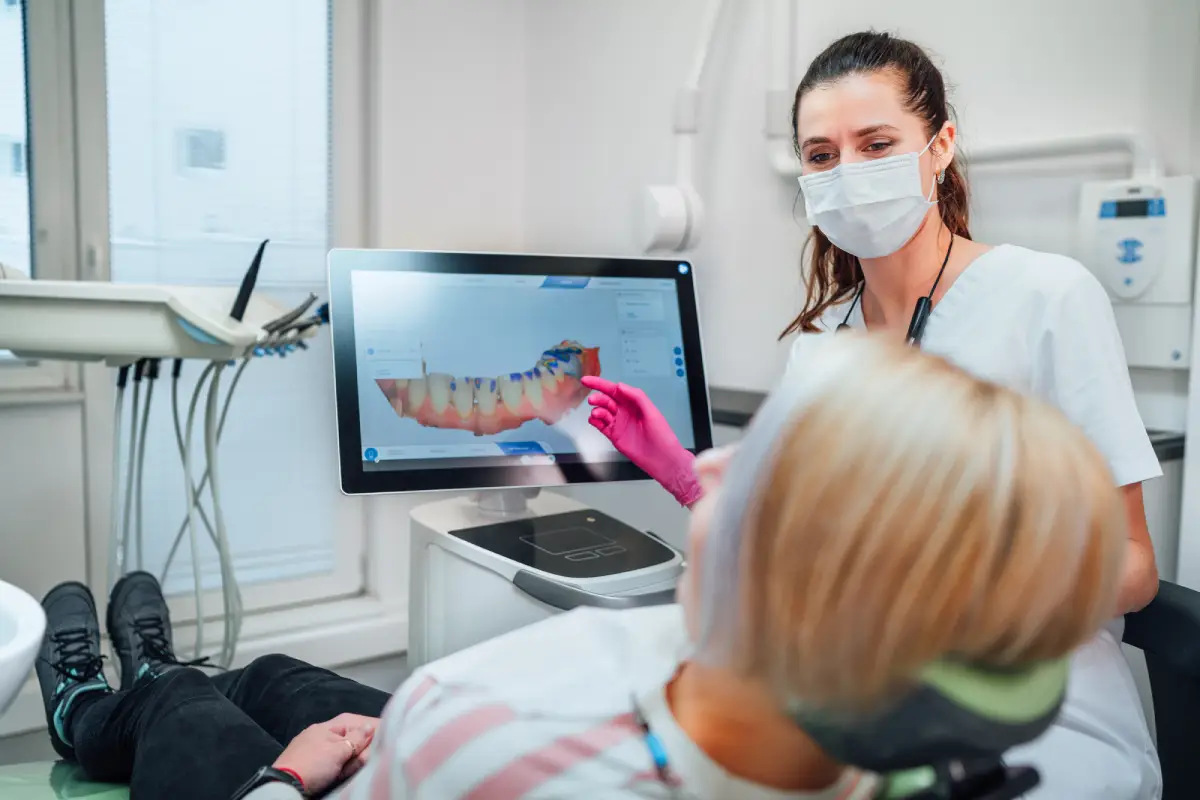
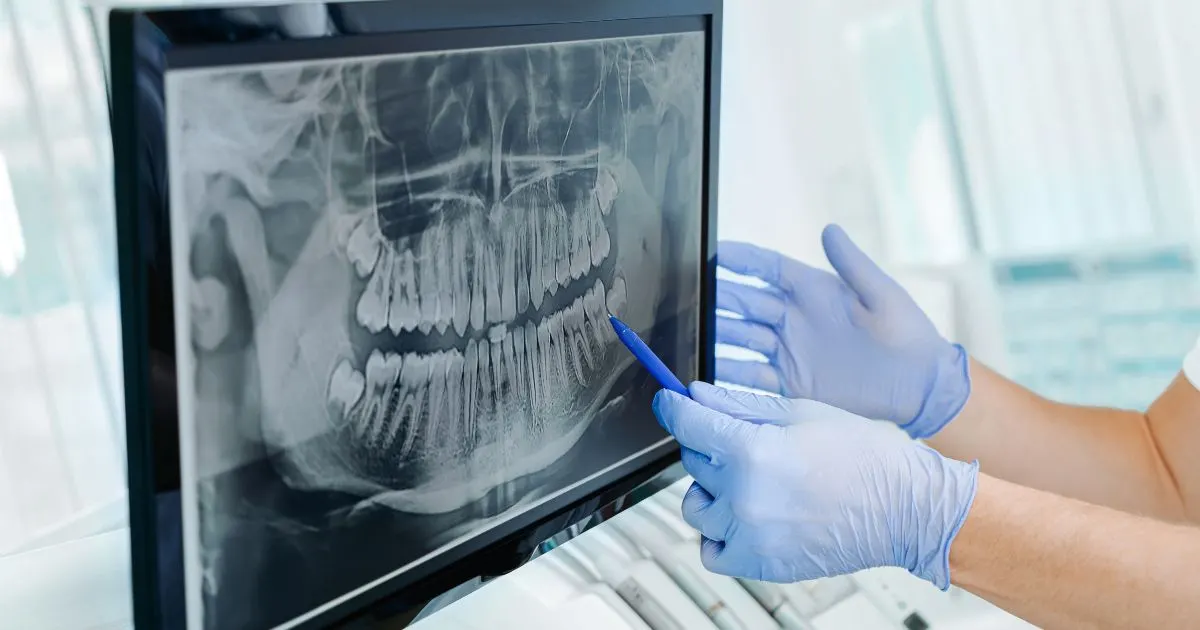
- Comprehensive evaluation: Dental imaging and exams assess bone quality, oral health, and implant suitability.
- Implant placement: Dental implants are surgically placed into the jawbone under local anesthesia or sedation.
- Healing phase: Over several months, the implants integrate with the bone through osseointegration.
- Attachment fitting: Once healed, attachment components are added to the implants.
- Overdenture fabrication: The removable overdenture is custom-designed and fitted to connect securely to the implants.
This staged approach allows the body to adapt naturally, prioritizing safety and long-term success over speed.
Benefits of the Science Behind Implant-Supported Overdentures
Implant-supported overdentures combine biological principles with modern dental technology, offering benefits that go beyond aesthetics:
- More comfort and stability than with conventional removable dentures
- Improved chewing effectiveness, promoting a healthy diet
- Implant stimulation reduces the loss of jawbone
- Speech is clearer since denture movement is reduced.
- Compared to fixed implant bridges, it requires less maintenance.
- Long-term flexibility, enabling modifications as oral structures evolve
Together, these benefits explain why overdentures are often viewed as a practical middle ground between conventional dentures and fully fixed implant solutions.
Who May Benefit Most From Implant-Supported Overdentures
Implant-supported overdentures are not one-size-fits-all, but they are particularly well-suited for individuals who:
- Have lost most or all teeth in one or both arches
- Struggle with loose or uncomfortable removable dentures
- Want improved stability without committing to fixed restorations
- Have sufficient jawbone or are candidates for bone support procedures
- Value long-term oral health and function
Adults of varying ages consider overdentures, especially those seeking reliable solutions without extensive daily limitations. A thorough consultation helps determine candidacy and sets realistic expectations.
A Thoughtful Next Step Toward a More Secure Smile
If you’re exploring overdentures in Oceanside, CA, a personalized consultation can help translate science into practical guidance. At California Coast Dental Arts, the focus is on evaluating your needs, clearly explaining options, and supporting decisions that align with your comfort and long-term oral health.
If you’re ready to learn how implant-supported overdentures could fit into your care plan, consider taking the next step and Book Your Overdenture Consultation Today. A well-informed conversation can bring clarity, confidence, and a realistic path forward without pressure, just thoughtful care.